
5 Ways To Buy The NFL In 2026: A Playbook For Getting Into TV's Most-Watched Programming
A version of this article was originally published in MediaPost.
NFL ad revenue is projected to reach a record $6.3 billion this season, up 8% from last year, and the league now accounts for 47% of all sports TV advertising spend. But even as more advertisers buy in, most brands who want to get into the 2026 NFL season assume a national in-game spot is the only way in the game. It isn't. As head of Sports Media at Tatari, I’m breaking down the five ways brands can secure spots in an NFL game this season.
Call the Right Play
There is no single way to lock in a TV spot during an NFL game. There is a spectrum of five, and most brands start small and go deeper as the results build:
Test — Programmatic. Premium NFL inventory via PMP and PG deals with trusted publishers. No upfront commitment, no year of lead time. Best for first-time NFL buyers and regulated categories.
Stream — CTV. Pregame, postgame, shoulder programming, and streaming-exclusive matchups on Prime Video, Peacock, Paramount+, Netflix, and Tubi. Lower minimums than linear, interactive formats, spot-level attribution.
Retarget — Regional and ancillary. Regional games and sports talk pull three to five million viewers weekly at lower CPMs. Capture the fans you reach, then follow them with streaming and digital creative.
Scale — Convergent. Linear for national consistency, streaming for precision, bought as one strategy. Lock non-preemptible inventory early for premium games and playoff windows.
Sponsor — In-broadcast integrations. Instant replay, red zone highlights, game stats features. Access, not budget, is the constraint — this inventory is usually unreachable programmatically.
The NFL enters the season coming off its highest regular-season viewership since 1989; and the growth came from everywhere at once. Per VAB's analysis of Nielsen data, all three signature primetime packages rose year over year in 2025: Thursday Night Football on Prime Video up 8%, Monday Night Football on ESPN up 9%, and Sunday Night Football on NBC/Peacock averaging 23.5 million viewers and securing the title of primetime's number one show for a 15th consecutive year.
Why NFL Inventory Got Harder To Buy In 2026
More games and more platforms mean more ways to buy them. It's proof that the NFL has become the most sought-after inventory on television. It is also exactly why that inventory keeps getting more expensive and harder to secure. In fact, the Super Bowl sold out before the preseason even began. A high share of premium regular season inventory is also sold months before teams take the field, leaving a tighter market for advertisers to navigate. The NFL expansion has not made football any less expensive, the overwhelming demand has made it more valuable. This can leave many brands feeling they are on the sidelines trying to scramble for ways to get in the game.
But what actually keeps brands off the field and out of the game is something else entirely. It's the belief that there is only one way in, like a national spot inside the game you can either afford or you cannot. That assumption is half true at best. There is no single NFL buy. There is a spectrum of them, and most brands start small and go deeper as the results build.
Here are five ways to make sure you are locked into the biggest TV viewership of the season.
1. Test NFL Inventory Using Programmatic Advertising
For most brands, the hardest part of the NFL is knowing whether it will work and being able to prove the return. Programmatic answers that, because it lets you test premium NFL inventory without an upfront commitment or a year of lead time. A common misconception is that programmatic NFL means bidding blindly into an open exchange. The real approach is built on Private Marketplace (PMP) and Programmatic Guaranteed (PG) deals with trusted publishers.
2. Stretch the Field with Streaming Platforms
For years the NFL was reserved to a handful of broadcast networks. Streaming changed the game, literally. It created a portfolio of accessible entry points: pregame and postgame streams, shoulder programming, and streaming-exclusive matchups, all at price points that fit a real budget. Platforms like Prime Video, Peacock, Paramount+, Netflix, and Tubi sell against an audience rather than a single national unit. They carry lower minimums than linear, offer interactive formats and QR codes, and tie site visits, installs, and purchases back to the moment your spot aired.
3. Go Local and Regional
The smartest entry point is also the most overlooked. Regional games and ancillary programming — pregame, postgame, sports talk — still deliver live, highly engaged audiences without the premium price tag, pulling three to five million viewers weekly at lower CPMs. It is typically the most available, most flexible inventory on the board. Run there, capture the fans you reach, then retarget them with follow-up streaming and digital creative.
4. Combine Broadcast and CTV Together
Once the NFL is proven, the question shifts from whether it works to how to go bigger. The answer is convergent: linear for scale and the consistency of a true national placement, streaming for precision and measurement, bought as one strategy. Buy the audience, not the unit, and lock non-preemptible inventory early for premium games and playoff windows.
5. Go Big with Sponsorships
At the top of the spectrum, sponsorships let a brand plant a flag in culture. Integrated placements put you inside the broadcast. In instant replay segments, red zone highlights, game stats features — rather than only in the ad pod. Here the access point matters more than the budget, because that inventory is frequently unavailable programmatically and only reachable through direct relationships. It does not always require Super Bowl money either; floaters and opportunistic buys surface all season.
See how brands like Tecovas, MANSCAPED, and others built their winning NFL game plans. Get the guide.
Frequently Asked Questions (FAQs)
Do I need a national in-game spot to advertise during the NFL? No. A national in-game unit is one of at least five entry points. Programmatic PMP/PG deals, streaming placements, regional games, and shoulder programming all reach live NFL audiences at materially lower commitments. Most brands start at the lower end of that spectrum and scale after the results come in.
What is the cheapest way into NFL advertising? Regional games and ancillary programming — pregame, postgame, and sports talk — are typically the most available and lowest-CPM NFL inventory, while still pulling three to five million live viewers weekly. Streaming placements are the next step up, with lower minimums than linear.
Is it too late to buy NFL inventory for the 2026 season? Not for every path. The Super Bowl sold out before the preseason and much of the premium regular season inventory was committed months in advance, but programmatic, streaming, regional, and opportunistic sponsorship floaters continue to surface throughout the season. The full guide covers what typically remains available by month.
Does programmatic NFL mean bidding into the open exchange? No — that's the most common misconception. Programmatic NFL is built on Private Marketplace (PMP) and Programmatic Guaranteed (PG) deals with named, trusted publishers. You know the inventory before you bid. It also reaches inventory some regulated categories can't access through standard linear or direct IO.
Can regulated categories advertise during the NFL? Often yes, through the right access point. BlueChew, a telehealth brand largely shut out of standard linear and direct IO deals, reached NFL tentpole inventory programmatically — inventory that had been off the table entirely through traditional channels.
How do you measure whether NFL TV advertising worked? Fixed air times and huge simultaneous audiences produce clean, visible spikes in search, site traffic, and app installs within minutes of a spot airing. The larger effect is the halo: more than half of Tatari clients saw football TV spots lift purchase conversion rates on other channels by more than 50%.
How many platforms will carry NFL games in 2026? Nine, staged from multiple countries, including nights not historically associated with football such as Thanksgiving Eve and Christmas Eve. That fragmentation is what makes the buying strategy — not just the budget — the deciding factor this season.

Harrison Hess
I'm Head of Sports Media Investment at Tatari. I help brands navigate sports' most impactful moments.
Related
A New Playbook for Buying NFL Inventory Programmatically
NFL inventory isn't out of reach; it just takes the right programmatic playbook. Here's how Tatari helps brands get off the sidelines and into the most-watched live sports programming of the year.
Read more
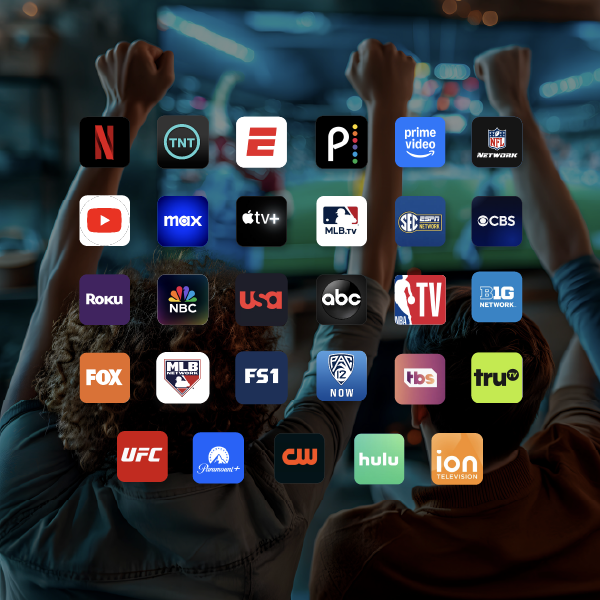
What Advertisers Need to Know About TV Sports Advertising in 2026
TV sports advertising in 2026 is being reshaped by streaming, fragmented media rights, and rapidly changing ad prices. This guide shows advertisers where sports audiences live and how to buy across leagues effectively at any budget.
Read more
Why Sports Is The Fastest Way To Break CTV’s Programmatic Ceiling
Programmatic buying dominates CTV, but it rarely delivers true scale. Here’s why sports-focused direct buying is the game plan brands are using to unlock reach, context, and measurable impact—without blowing budgets.
Read more