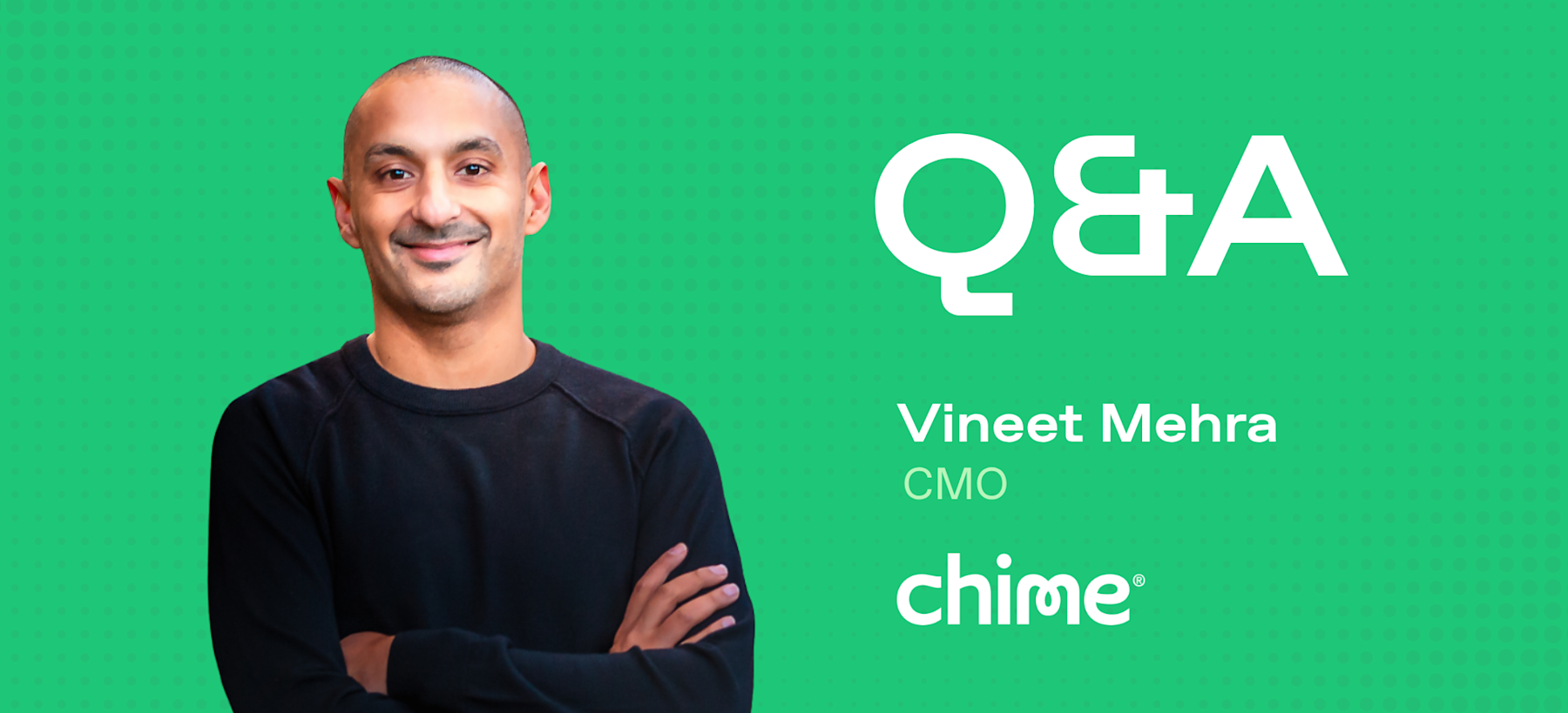
EXCLUSIVE: How to Build a World-Class Marketing Team According to Chime’s CMO, Vineet Mehra
There's no shortage of opinions on how to structure a marketing team in 2026. Org charts get debated in offsites, redrawn after reorgs, and second-guessed the moment results plateau. But ask someone who has actually done it at scale, under pressure, with real accountability, and the answers get a lot more specific.
Vineet Mehra is one of those people. As CMO of Chime, the financial technology company that has become America’s #1 Choice in Banking, he's built and led marketing organizations that have had to perform on both the brand and growth side simultaneously. Before joining Chime, he held senior marketing roles at companies like Ancestry.com and Johnson & Johnson, giving him a vantage point that spans highly competitive verticals where the cost of a misaligned marketing org is measured in wasted spend and frustrated board members.
As part of an ongoing series in which we ask world-class CMOs the same three questions about how they think about building, structuring, and running a team during a time when marketing is undergoing its most significant evolution in history, we sat down with Vineet to get his thoughts. No playbook, no spin, just the frameworks and hard-won lessons that actually shape how great marketing organizations get built.
Three Questions. No Script. Honest Opinions.
The first question is a useful thought experiment because it strips away the inherited structures, legacy hires, and political constraints that tend to shape real org decisions. For Vineet, the answer reveals a point of view that runs counter to how most marketing teams still get assembled.
If you were building your marketing team from scratch today, what roles would you hire first, and why?
“If I were building a marketing team today, I’d design it for an AI-first future - not retrofit for the past. I’d start with three roles: an AI-native marketing technologist to build the system, a growth leader who thinks like a capital allocator, and a creative leader with real taste. AI gives you infinite output - but not judgment or strategy. Those three - systems, capital, and taste - are the foundation.”
Building the right roles is only half the challenge. The other half is avoiding the structural habits that quietly undermine even well-staffed teams. When it comes to where marketing organizations go wrong, Vineet doesn't point to headcount or budget. He points to the way teams get divided in the first place.
What mistake do you see marketers make most often when structuring their marketing team?
“The biggest mistake is building teams around false tradeoffs. We’ve divided ourselves into brand, performance, PR - as if they’re competing functions instead of parts of the same system. That creates silos, slows decision-making, and ultimately limits growth. The best teams aren’t organized by channel - they’re organized to work across the full funnel, with shared goals and accountability. If your team is fragmented, your results will be too.”
Avoiding silos is a structural fix. But structure, Vineet argues, has to follow strategy, and that means getting clear on what the org is actually optimized to do. His answer to the final question pulls everything together, and it's a useful lens for any marketing leader who has ever felt the tension between building a brand and hitting a number.
What is the primary objective that shapes how you structure your marketing org?
“The primary objective is efficient growth. Marketing isn’t just about driving demand - it’s about doing it with strong unit economics so you can keep reinvesting and scaling. That means structuring the org to operate across the full funnel, where the brand builds future demand and performance captures it, all working together to improve LTV to CAC over time. If your marketing isn’t compounding efficiently, you’re eventually going to hit a wall.”
This is the first installment in our ongoing series asking world-class CMOs the same three questions about building modern marketing organizations.

Michael Goldberg
I lead content at Tatari. When I’m not writing, I’m reading, watching The Office (again), hopelessly rooting for the Mets and Jets, and blasting heavy metal.
Related

The Reality of AI Investment: Lessons from Tatari's Approach
Tatari's strategic approach to leveraging AI across its TV advertising tools is a fundamental component of our business model, enabling significant growth and market expansion.
Read more
How Chime Scaled TV by Opting for Tech-First Experts Over Agencies
Revisit Chime’s Advertising Week session, where the team broke down how they reignited growth by treating TV as a modern, measurable channel that unites brand building with performance impact.
Read more
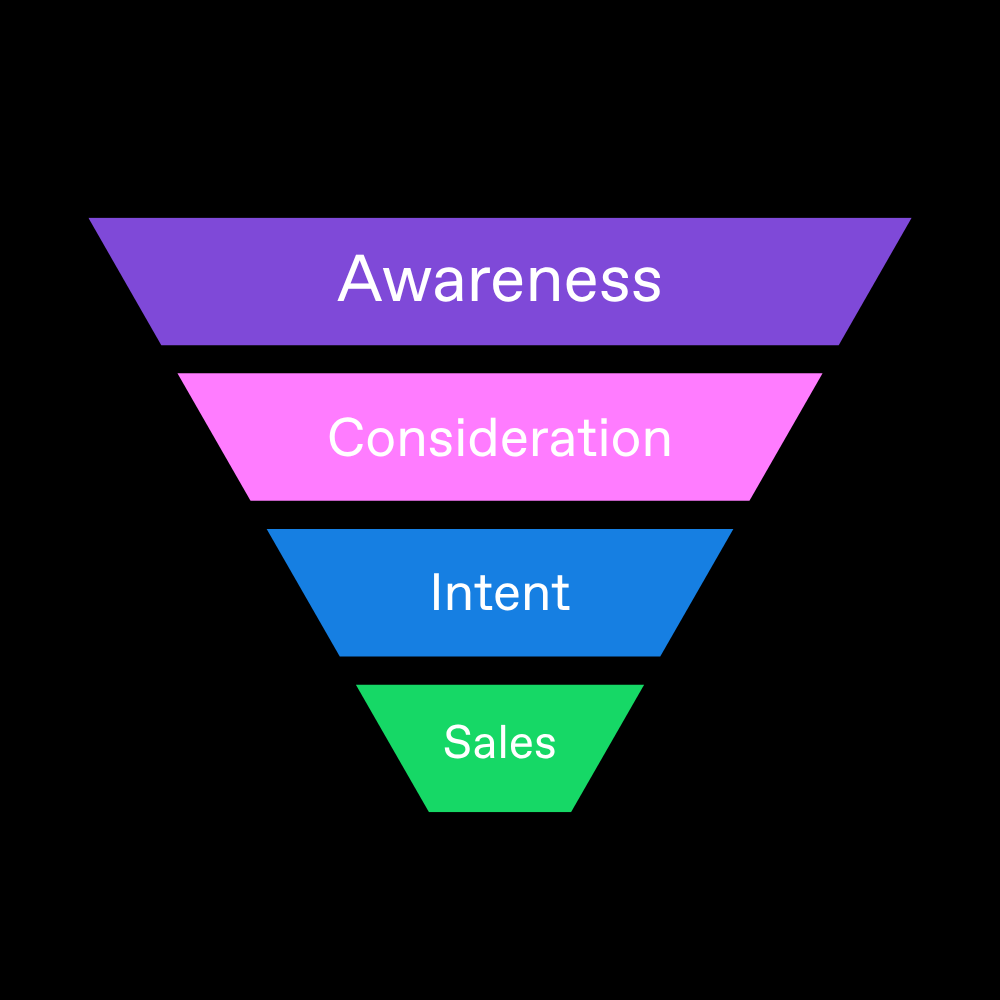
TV Outperforms Every Other Channel on Influence, According to New Data
A new study confirms what performance advertisers have long suspected: TV still dominates the purchase funnel, and if you've been shifting budget away from linear, the data might make you reconsider.
Read more