From Performance to Performers: How Ro Went From Direct Response to Celebrity-Powered Storytelling on TV
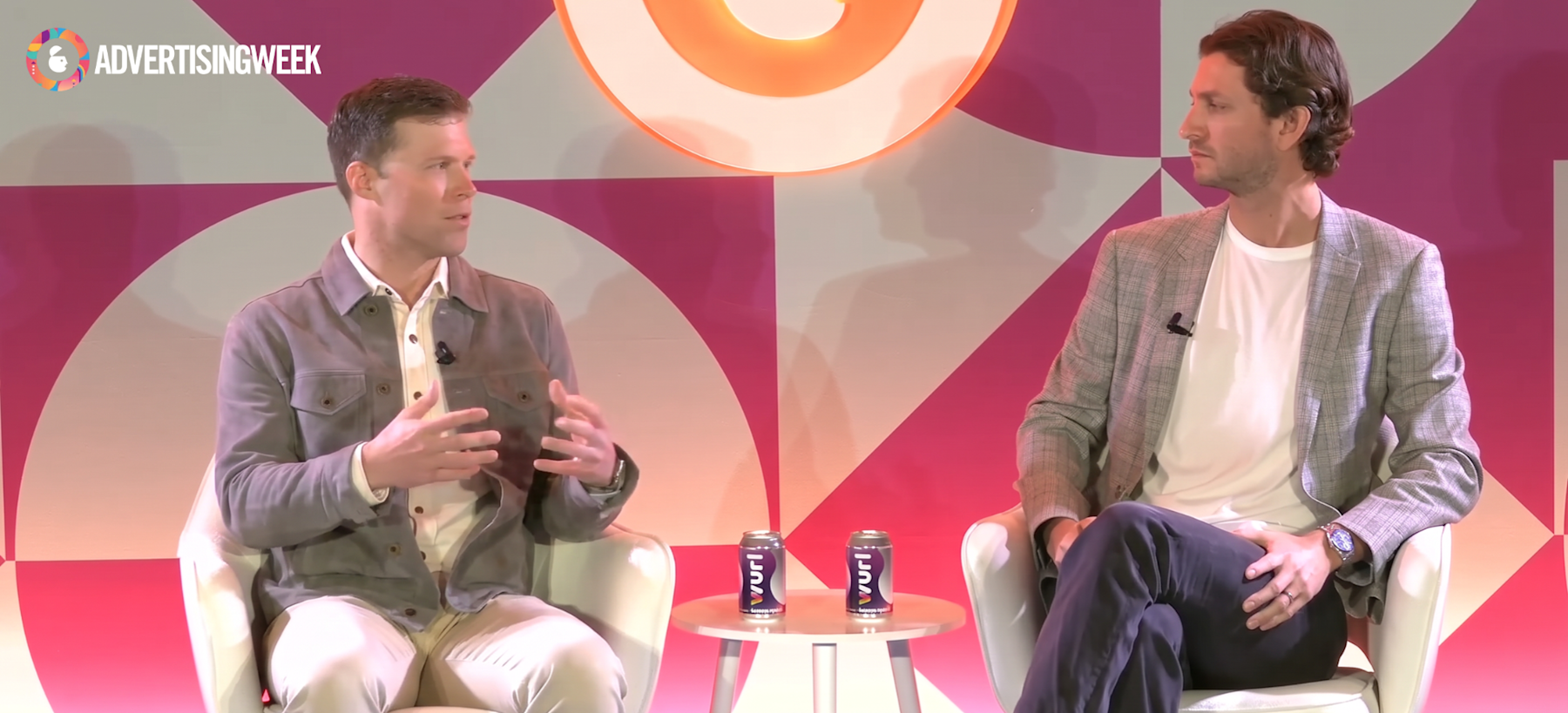
At Advertising Week in New York City, Tatari's Alex Visoky, Director of Client Services, sat down with Will Flaherty, SVP of Growth at Ro, to unpack how the direct-to-patient healthcare company leveraged a roster of celebrity partners to help them turn TV into a powerful storytelling channel. Watch the full session below, then read on for the moments and lessons worth borrowing.
Celebrity as a Way to Build Trust
Ro touches on sensitive topics like weight loss and sexual health, topics patients often hesitate to seek care and talk about publicly. In those cases, Flaherty said, the marketer's job is to give people permission to start, and that permission usually comes from someone they trust.
Ro's earliest TV ads leaned on real patient stories for that reason. The move to using celebrities was a way to take the intimacy of a friend's recommendation and scale it, paired with TV's ability to reach tens of millions of people at once.
The two approaches fit together because the personalities in Ro's ads are also real Ro patients. Their stories sit next to everyday patient testimonials in the same campaigns, shot with the same production quality.
Three Stars with Three Different Jobs
Charles Barkley was the first. He had already spoken publicly about taking a GLP-1 at a time when few celebrities would, and he has a natural presence on sports TV. That made him a credible launch partner for Ro's weight management offering, and the work gave Ro a template for how to partner with talent.
Serena Williams came next, with a campaign that launched in August 2025. Ro saw her as a way to build a permission structure: if one of the great competitors of all time found value in GLP-1 treatment, it might give everyday consumers the comfort to start. She then anchored Ro's first national Super Bowl spot, which widened the story to the broader health benefits of treatment, like moving better and improved health results.
Megan Fox is Ro’s newest spokesperson, fronting Ro Sparks, the men's sexual health product which was launched the week before the panel across the MLB playoffs and college football. Different category, different audience, different approach. In the spot, Megan Fox is the product, a concept Flaherty said lets Ro stand out in a space where advertising can turn crude.
What Marketers Can Learn From Ro’s Celebrity Playbook
1. Lead with authenticity. Ro won't do a partnership without a real patient story, no matter how famous the person is or how strong the creative could be. "If there's not an authentic health patient story, we won't do it,” said Flaherty. “And it doesn't matter how prominent the person is."
2. Use their star power beyond their own brand. Charles Barkley resonates with men who know him from basketball, but Ro doesn't limit the spots to NBA programming. It matches up where his fans are, then uses Tatari to reach that consumer across everything they watch.
3. Capture content with iteration in mind. Ro records multiple shoots to give editors room to recut later. Fast creative-level data from Tatari shows how each cut performs, and the team adjusts instead of shipping one spot and hoping.
4. Give big moments time to work. The Super Bowl wasn't a one-off bet. It built on years of advertising in prominent NFL games, the World Series, and other tentpole events. Flaherty said judging a spot the next morning is unfair, so Ro looks at impact over a longer window. “You've got to have a longer time horizon for where impact can come through and how it moves your business."
5. Treat linear and streaming as one plan. Viewing moves between them, so Ro follows the audience and the media opportunity wherever they are, with both visible side by side.
6. Keep the creative consistent. Ro's creative holds the same elevated quality across every condition it treats. Flaherty said that campaigns like Megan Fox's bring lapsed patients back to the site, some of whom resume their weight loss journey.
7. Stay nimble. Ro doesn’t lock a plan months ahead. With tight feedback loops, the team can turn on new assets and shift investment as the data comes in. As Flaherty put it, “this is an opportunity to be opportunistic and adjust if (we’re) seeing great performance.”
Why Ro Partners with Tatari
An audience member asked Will why they work with Tatari instead of other CTV platforms. Will did not hold back, citing Tatari’s ability to help them execute large linear programs like the ones he mentioned on stage. “When we started working with Tatari eight years ago, connected TV didn't exist,” said Will. “And so I think they (Tatari), built this incredibly robust platform for helping us understand the performance impact of linear TV. And then as the TV ecosystem has evolved, they've taken that approach to connected TV. We trust them to help us not only scale emergent media formats, but also help execute in the biggest marketing moments in the country."
Celebrities Get the Attention. Data Proves it Works.
Celebrity can win attention. Ro's playbook shows how to put that attention to work: start with an authentic story, build creative that can be easily adapted, and use TV data to learn and scale what works.
Ready to plan your next big TV moment? Let’s talk!
Michael Goldberg
I lead content at Tatari. When I’m not writing, I’m reading, watching The Office (again), hopelessly rooting for the Mets and Jets, and blasting heavy metal.
Related
4 Tatari Clients Reveal The Immediate Impact of Super Bowl Ads
The Super Bowl isn’t just for legacy brands anymore. Here’s how Manscaped, Life360, Tecovas, and Ro used streaming, linear TV, and Tatari to turn the biggest ad stage into a performance win.
Read more
Marketing Minds: Will Flaherty at Ro
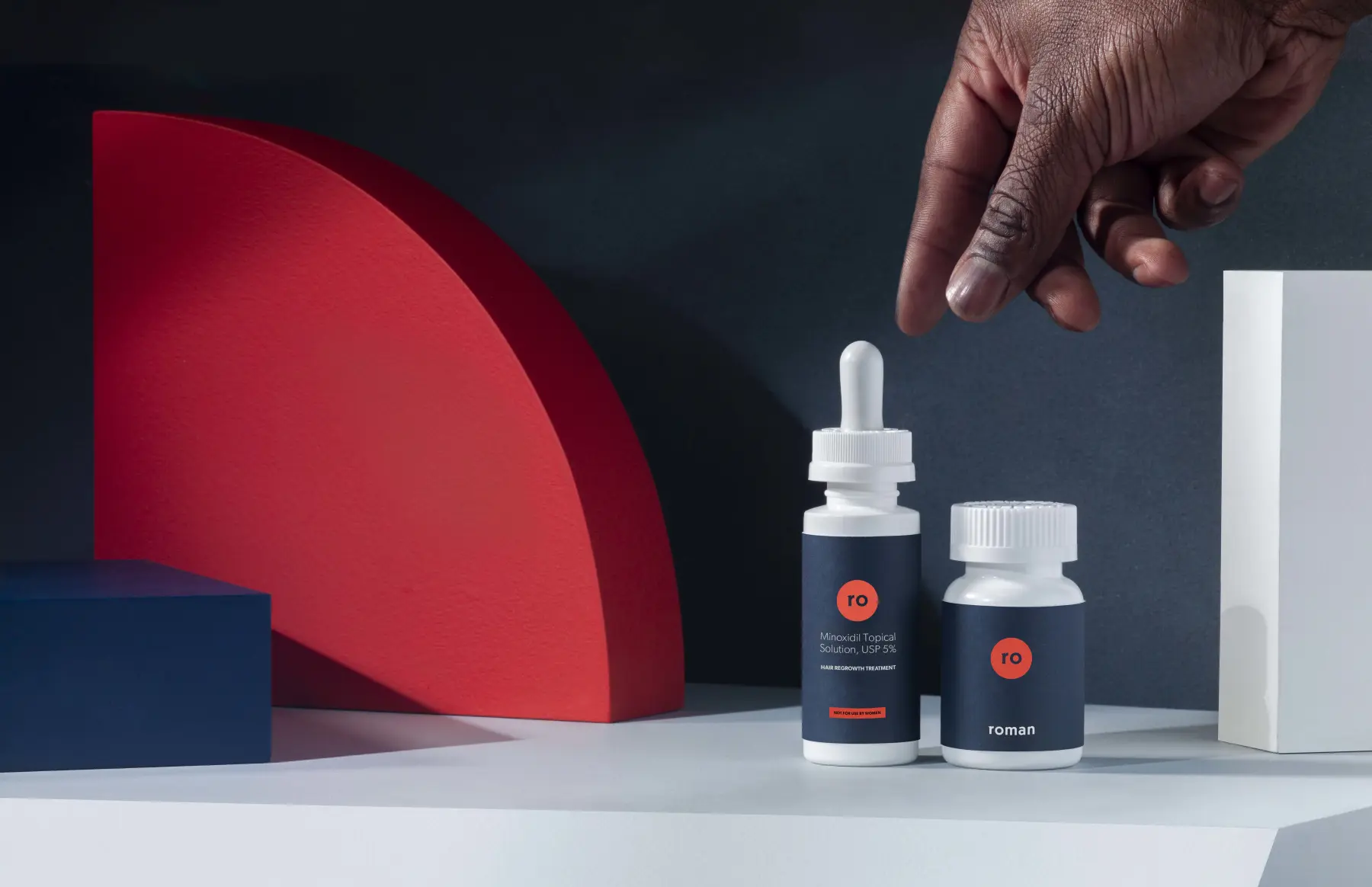
Tatari sat down with Will Flaherty, VP of Growth at Ro to learn more about his journey and experience with TV advertising.
Read more

How TV Advertising Propelled Ro’s Weight Loss Program
When Ro launched their weight loss program, they turned to TV to amplify awareness and scale acquisition. Learn how they built a data-driven media plan that resulted in a 50% weekly increase in new patients interested in their program, as well as a strong strong halo effect across their digital channels.
Read more