
How Top Agencies Make TV a Scalable Media Strategy
Every agency running TV for clients eventually hits the same wall.
The campaign runs. The client asks what worked. And somewhere between the network invoice, the DSP report, and the attribution vendor, the answer turns into a conversation you don't want to have. That's not a TV problem. That's an infrastructure problem. And it's the reason most agencies struggle to scale TV beyond a handful of clients who are willing to tolerate the ambiguity.
The agencies that have figured it out aren't doing anything exotic. They've just built a repeatable process.
We mapped out that process with seven steps that take an agency from initial assessment through pilot campaign, measurement, optimization, and scaling TV across a full client portfolio. Step one isn't launching a campaign. It's understanding where your agency actually sits on the TV maturity spectrum and what that means for how you buy, measure, and report.
Where You Start Determines Where You End Up
A performance-focused social agency testing TV for the first time has completely different infrastructure needs than a legacy TV buyer trying to connect linear measurement to digital outcomes. Getting that assessment right is the difference between a TV pilot that produces actionable data and one that just produces a media bill.
From there, the process gets into inventory access; specifically the gap between what's available through programmatic pipes and what's only accessible through direct publisher relationships. That gap matters more than most agencies realize, especially for clients chasing premium inventory. There are placements, sponsorships, and cultural moments that simply don't exist in a DSP. The Super Bowl is the obvious example. But it’s not the only one.
The Step-by-Step Process to make TV a True Agency Advantage
The full guide covers all of the additional steps with enough detail to actually act on it — including how to structure a pilot campaign, what budget threshold produces meaningful results (the answer might surprise you), and how TV measurement connects back to the channels your clients already care about.

Mike Fogarty
Coffee obsessed, passionate gamer, father of three, and a rock/metal enthusiast. Oh, and I oversee Client Development at Tatari.
Related

Why Independent Agencies Win or Lose in Convergent TV
Independent agencies can win big with Convergent TV, but only if they can navigate the complexity. See how a unified platform simplifies execution, lowers costs, and helps turn infrastructure into a true advantage.
Read more
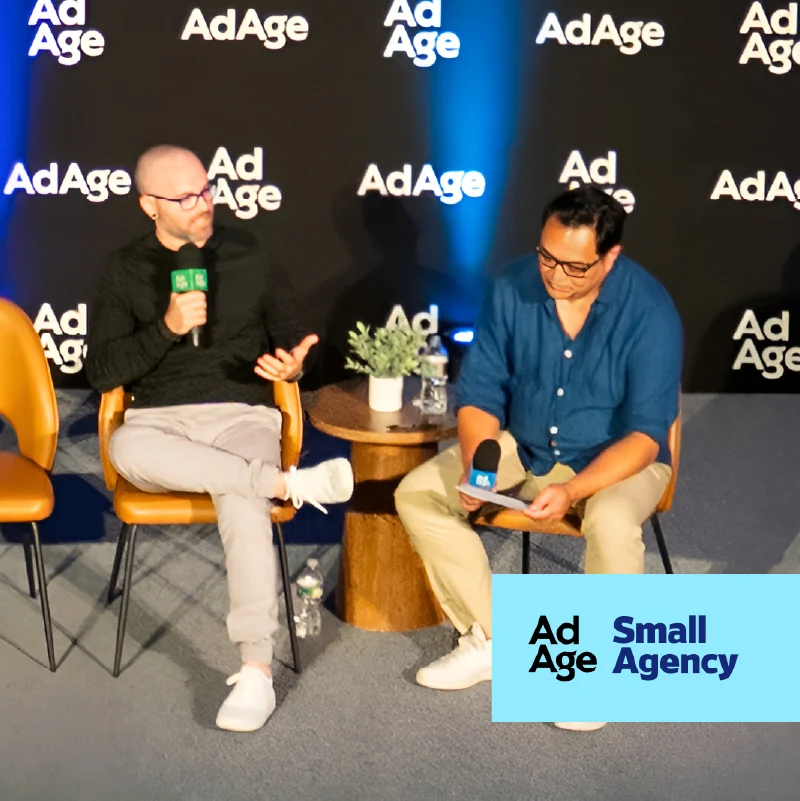
How Small Agencies Can Thrive with Convergent TV
At the Ad Age Small Agency Conference, Mike Fogarty from Tatari and John Dioso from Ad Age shared how small agencies can thrive in TV advertising by balancing direct and programmatic buys and utilizing convergent TV.
Read more

What the OpenPath Fallout Reveals About CTV Buying
Agencies like Dentsu and WPP exiting OpenPath expose the cracks in The Trade Desk's programmatic CTV platform and highlight the importance and need for direct sales automation, which represents the next phase of CTV buying and why we launched Upstream.
Read more