WWE's Biggest Event Just Moved to ESPN. How the Scripted Sport is Delivering Real Impact for Networks & Advertisers
In the 1980s, Hulk Hogan and “Macho Man” Randy Savage body-slammed their way into mainstream America through Saturday morning television and sold-out arenas. In the 90’s, the likes of “Stone Cold” Steve Austin, The Rock, and the NWO turned pro wrestling into a cultural phenomenon on Monday nights, producing some of the highest-rated cable programs of its era. Today’s WWE superstars are just as big and colorful, with many more avenues to build their fandom. They cut promos on social media, extend storylines through Netflix, headline events around the globe, and generate billions of impressions across platforms before locking up with their opponent. The audience, or the “WWE Universe” as it's called by the company, is more diverse and more globally distributed than most advertisers realize.
Which brings us to last month’s WrestleMania. Forbes ranks the annual event as the sixth most valuable sports brand in the world. And for the first time in its 42-year history, a portion of WrestleMania aired on free, linear television in addition to the majority of the event streaming on ESPN’s new platform for the very first time.
WrestleMania itself has been called the “Super Bowl of sports entertainment”, and not just as a metaphor. Cities competitively bid to host it. WrestleMania 41, held last year (also) in Las Vegas, drew 124,693 fans across two nights and set a new record as the most successful and highest-grossing event in WWE history, including a 114% increase in viewership over the previous year's record. Next year, the WWE will once again break new ground by making it the first time a WrestleMania will take place outside of the U.S. The Kingdom of Saudi Arabia is reportedly shelling out $250 million to host WrestleMania 43.
Why ESPN Went to the Mat for WWE
ESPN didn't stumble into this deal. In August 2025, WWE, now part of TKO Group Holdings following its merger with UFC, announced a landmark five-year rights agreement worth $1.6 billion, or roughly $325 million per year, making ESPN the exclusive U.S. domestic home for all WWE Premium Live Events starting in 2026. That includes WrestleMania, SummerSlam, the Royal Rumble, and Survivor Series.
The timing was as calculated as a reverse suplex. Peacock's WWE deal, which was valued at $900 million over five years, was expiring, and ESPN moved aggressively to land the rights. The deal arrived just weeks before ESPN launched its new direct-to-consumer streaming service last summer, and WWE's passionate, loyal fanbase became one of ESPN's most compelling arguments for why subscribers should lay out $29.99 a month for the platform. ESPN Chairman Jimmy Pitaro pulled no punches when explaining the decision to bring WWE into the mix. “This agreement… bolsters our unprecedented content portfolio and helps drive our streaming future."
ESPN's WWE footprint is only getting wider. In a deal announced just last week, approximately 800 hours of sports content that airs on Nexstar's CW network, including WWE programming, will now stream exclusively on ESPN's platform. That means WWE’s other brand, NXT, which CW holds rights to, flows to ESPN without ESPN having to cut a separate deal. For advertisers, it's one more reason ESPN is becoming the undisputed streaming home of WWE. For WWE, the math was equally clear. A nearly 80% increase in annual rights fees, a platform synonymous with sports credibility, and a distribution footprint that spans cable, streaming, and mobile all at once.
Why Netflix Spent $5 Billion on Monday Nights
If you haven't followed WWE closely in recent years, you may be surprised by what the numbers actually look like.
In January 2025, WWE signed a 10-year, $5 billion deal with Netflix to bring its flagship show, Monday Night Raw, to the platform. That's not a niche deal. That's a major streaming platform making a multi-billion dollar bet on professional wrestling as appointment viewing.
Why are networks like ESPN and Netflix spending more money than “Million Dollar” Man Ted DiBiasie ever dreamed of having to host this insane ballet of scripted violence? Simple. It makes money.
In WWE's first year on Netflix, subscribers watched over 525 million hours of WWE content. Raw alone accounted for 340 million of those hours and ranked in Netflix's Global Top 10 for English-language TV in 47 out of 52 weeks, averaging more than 3 million viewers per episode. For context: that's consistent, week-in and week-out performance that most premium scripted dramas would envy.
Main Event Worthy Performances
Tatari’s own data backs this up. Across every sports buy we’ve tracked on the platform, WWE on Netflix ranked second highest in overall site visit lift outperforming most of what advertisers consider “premium” inventory. Twenty clients spanning 11 different categories have already run against it. That breadth matters: when a single property drives results across verticals as unique as consumer goods, fintech, and DTC retail, you’re not looking at something niche. You’re looking at massive reach. Here’s what that looked like for three of them.
Tecovas
Fabletics
Ridge
Ready to Rumble?
WWE programming has always rewarded the people who understood it before everyone else did. That’s true of the athletes who built their careers on its stage. It’s true of the networks that bet on wrestling when conventional wisdom said the audience was too niche, too loud, too hard to quantify. And it’s true of advertisers who recognized — earlier than their competitors — that the line between “sports” and “sports entertainment” stopped mattering the moment both started delivering the same thing: massive, passionate, distraction-free audiences gathered around a single live event.
The brands in this article understood that. They were ready when the opportunity opened. If your brand is thinking about where WWE fits into your 2026 live sports strategy — whether that’s the next Premium Live Event on ESPN, Raw on Netflix, or whatever comes next — the time to have that conversation is before the bell rings, not after.
Want to get in the ring with WWE on Netflix or ESPN? Let's talk.

Harrison Hess
I'm Head of Sports Media Investment at Tatari. I help brands navigate sports' most impactful moments.
Related
How Tatari Got 7 Brands Into MLB’s Netflix Debut
Tatari helped 7 brands secure premium placements during MLB’s first-ever Opening Night on Netflix, unlocking access to one of streaming’s biggest live sports moments. Here’s how those brands performed and why direct access to exclusive inventory continues to drive outsized results.
Read more
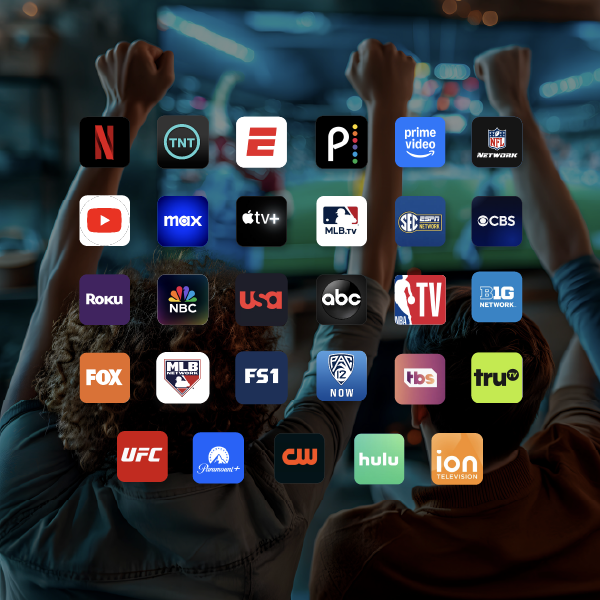
What Advertisers Need to Know About TV Sports Advertising in 2026
TV sports advertising in 2026 is being reshaped by streaming, fragmented media rights, and rapidly changing ad prices. This guide shows advertisers where sports audiences live and how to buy across leagues effectively at any budget.
Read more
A New Playbook for Buying NFL Inventory Programmatically
NFL inventory isn't out of reach; it just takes the right programmatic playbook. Here's how Tatari helps brands get off the sidelines and into the most-watched live sports programming of the year.
Read more