
Frequency capping in streaming TV campaigns
Measuring streaming outcomes is only half; measuring the quality of the impressions delivery is the other half. This is the second in a series of articles, with the first one here.
There has been a recent trend of headlines calling out the headaches and frustrations of advertisers in today’s fast-growing OTT and CTV marketplace. One big frustration for most advertisers is frequency capping i.e. advertisers’ ability to control how often a user is served an ad. A fairly recent Business Insider article, “Ad-tech companies and networks are pinning hopes on streaming TV, but OTT is full of headaches for marketers,” highlights the common frequency cap issue: “We have all of this sophisticated technology — pacing algorithms, frequency capping, audience targeting — but still my friends and family ask, 'Why do I see the same ad over and over on my OTT device?”...
For those who are binge-watching the TV show Power on Hulu right now (if you aren’t, do yourself a favor and start - it’s great!), you may be experiencing this annoying reality first-hand, by seeing the same Nerdwallet, Bud Light, Big Money Playbook Lottery, RealReal, and Adam & Eve ad 10+ times in a few hours binge. For one, this is annoying and not a great ad experience for a consumer, and two, this isn’t an efficient use of ad dollars for the advertisers.
The effect of ad impressions on a potential customer follows a pattern of diminishing returns. The second or third creative view may lead to an online session and eventual conversion, while the 10th or 20th is unlikely to drive much incremental response.
Being able to target customers with the optimal number of views and minimize CPV (and CAC) is a unique advantage of streaming TV, yet (and as exemplified above), the opportunity gets squandered. A common issue with streaming ad services is that providers often have difficulty in implementing frequency capping, and may not be aware themselves that certain users get bombarded.
At Tatari, we use several pieces of information, including user-agent identifiers, and timing of ad views and associated online sessions to track the number of impressions for a particular user. We are soon doing so in our dashboard (or: near real-time basis), rapidly alerting clients and publishers if an instructed frequency cap (e.g. daily or hourly, or combination thereof) is missed.
In some cases, we’ve reported back to a publisher that 60%+ of their delivered impressions were trespassing the frequency cap - that is a lot of money. Above all, it illustrates that having the best streaming measurement capabilities in the world is for naught if the industry isn’t able to deliver the impressions correctly (see our prior article, Measuring streaming TV, it takes two to tango).

Philip Inghelbrecht
I'm CEO at Tatari. I love getting things done.
Related
Don’t Get Black Friday FOMO: For Many Brands, Q5 Matters More
Q5 represents the down period that extends from directly before Christmas up to New Year’s and is an excellent opportunity for brands to extend their holiday momentum on TV.
Read more
Tatari’s Outcome Based TV Measurement Certified by NBCU
Tatari is proud to announce that we have been certified as one of 14 measurement partners by NBC Universal in the Incrementality Measurement/Sales Impact category.
Read more
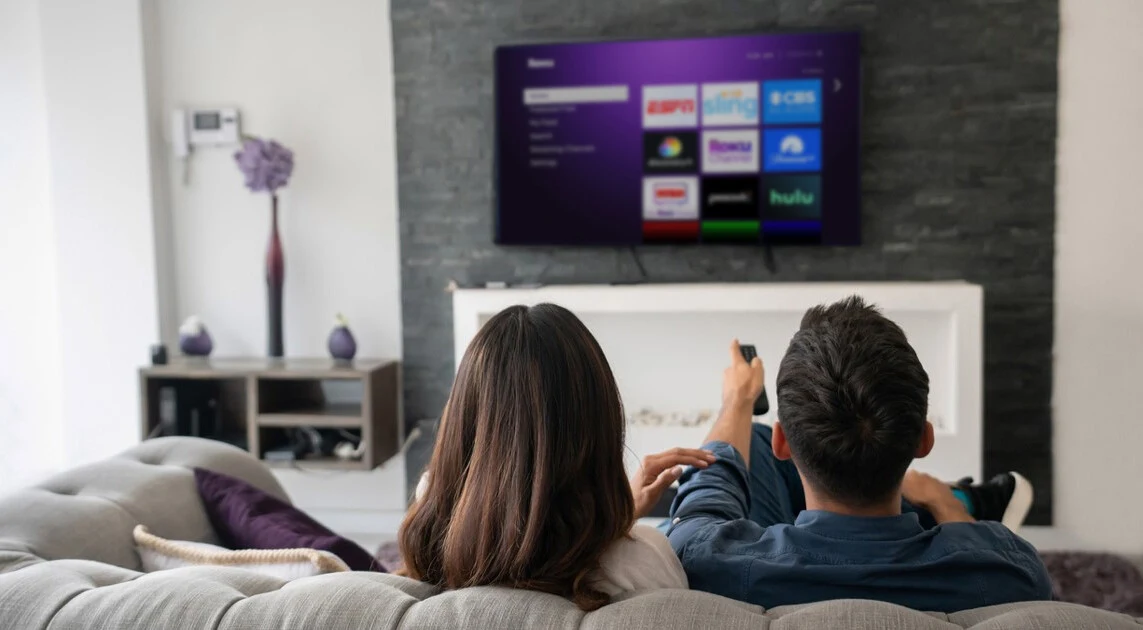
DTC Brands Gather to Learn the Future of TV Advertising
See how a DTC Health Tech client improved CPA and increased reach using Tatari's frequency optimization calculations.
Read more