Watch: TV Is Alive, Thriving, and Finally Measurable
What if the channel everyone said was dying turned out to be the one that made your whole business more predictable? In the latest episode of Shift Happens, DAC's Nasser Sahlool sat down with Mike Fogarty, Head of Client Development, Brand and Agency Partnerships at Tatari, to break down why the "TV is dead" narrative was always wrong, and what marketers need to do differently now that TV has become one of the most measurable channels in the mix.
Here are a few takeaways from their conversation:
The "TV is dying" story was mostly noise
The channel never disappeared. What changed was how audiences consumed it, and how competing platforms framed that shift to serve their own interests. "I think this topic was a bit disingenuous," Fogarty said. "We've been saying television is decaying or dying for the last ten years, but it's been a thriving channel for the last 80 years." The real story is fragmentation, not decline.
Many marketers overcorrected to streaming-only strategies
When audiences shifted to streaming, many brands followed via DSPs and programmatic buying — but that only reaches a fraction of the total TV ecosystem. A significant portion of inventory, traditional and streaming alike, is still transacted through upfronts and direct deals. "You're only buying in a very small pocket when you're only buying through streaming and only through a DSP," Fogarty said.
Convergent TV is about orchestration, not labels
Linear vs. streaming. CTV vs. digital video. These planning buckets make internal conversations easier, but they don't reflect how audiences actually watch. Convergent TV means orchestrating every environment — living room screen, mobile, tablet — to reach the right household at the right moment. "It's not just a media label," Fogarty said. "It's about fluidity on the glass."
TV measurement has moved well beyond reach and frequency
GRPs and Nielsen ratings are no longer the ceiling for what TV can tell you. Incrementality testing, geo-matched market holdouts, footfall attribution, and MMM validation have changed what's possible. Saatva, for example, built models connecting TV impression volume directly to branded search lift and retail store visits. "We are very much moving beyond the traditional measurement," Fogarty said. "And that's what's making TV so alive and well and thriving."
Watch the full episode
Nasser and Mike go deeper on convergent TV strategy, how to think about measurement frameworks, and what it actually takes to connect TV investment to business outcomes. Watch the full episode of Shift Happens.

Michael Goldberg
I lead content at Tatari. When I’m not writing, I’m reading, watching The Office (again), hopelessly rooting for the Mets and Jets, and blasting heavy metal.
Related

How Top Agencies Make TV a Scalable Media Strategy
Most agencies struggle to scale TV beyond a handful of clients. The ones that do have a repeatable process from initial assessment through pilot campaign, measurement, and optimization. Here's the steps to make TV an agency advantage.
Read more
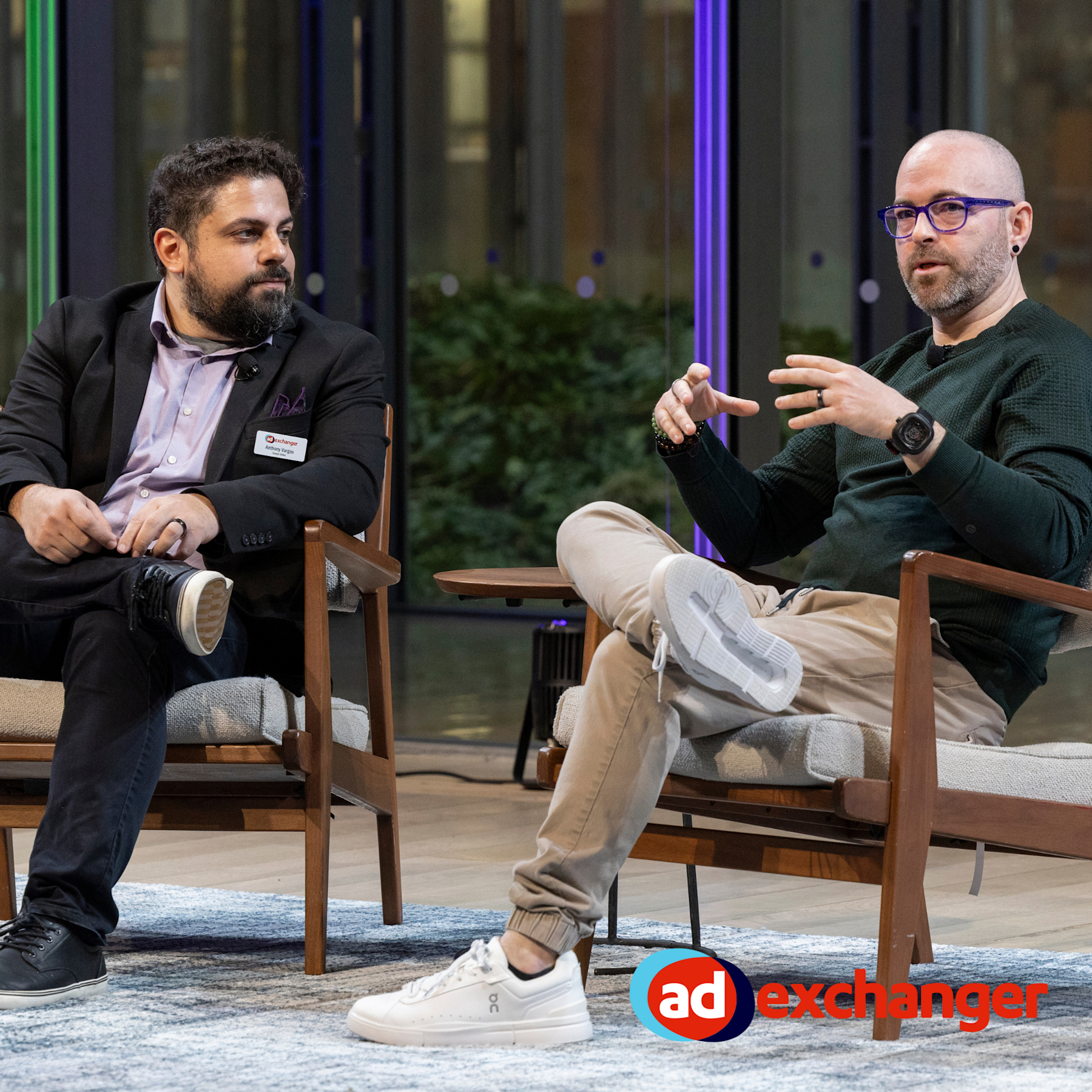
How Marketers Can Fully Embrace Convergent TV
Marketers who want to remain competitive need to reexamine the way they plan and measure performance across streaming and linear TV. Tatari's Head of Agency Partnerships breaks down how to dismantle traditional silos to create a unified, data-driven TV strategy that maximizes reach and ROI.
Read more

Why Independent Agencies Win or Lose in Convergent TV
Independent agencies can win big with Convergent TV, but only if they can navigate the complexity. See how a unified platform simplifies execution, lowers costs, and helps turn infrastructure into a true advantage.
Read more