TV’s Infrastructure Problem and the Future of AI Buying
The weeks leading up to Cannes Lions 2026 brought the programmatic TV industry to an inflection point. Publicis told clients to stop using The Trade Desk after an audit uncovered overcharging, unauthorized purchases, and stacked fees. Omnicom launched its own audit. And the WSJ chronicled The Trade Desk's valuation decline as four of the five largest agency holding companies raised concerns about its take rate.
By the time the industry gathered on the Croisette, everyone had the same question: how did we get here?
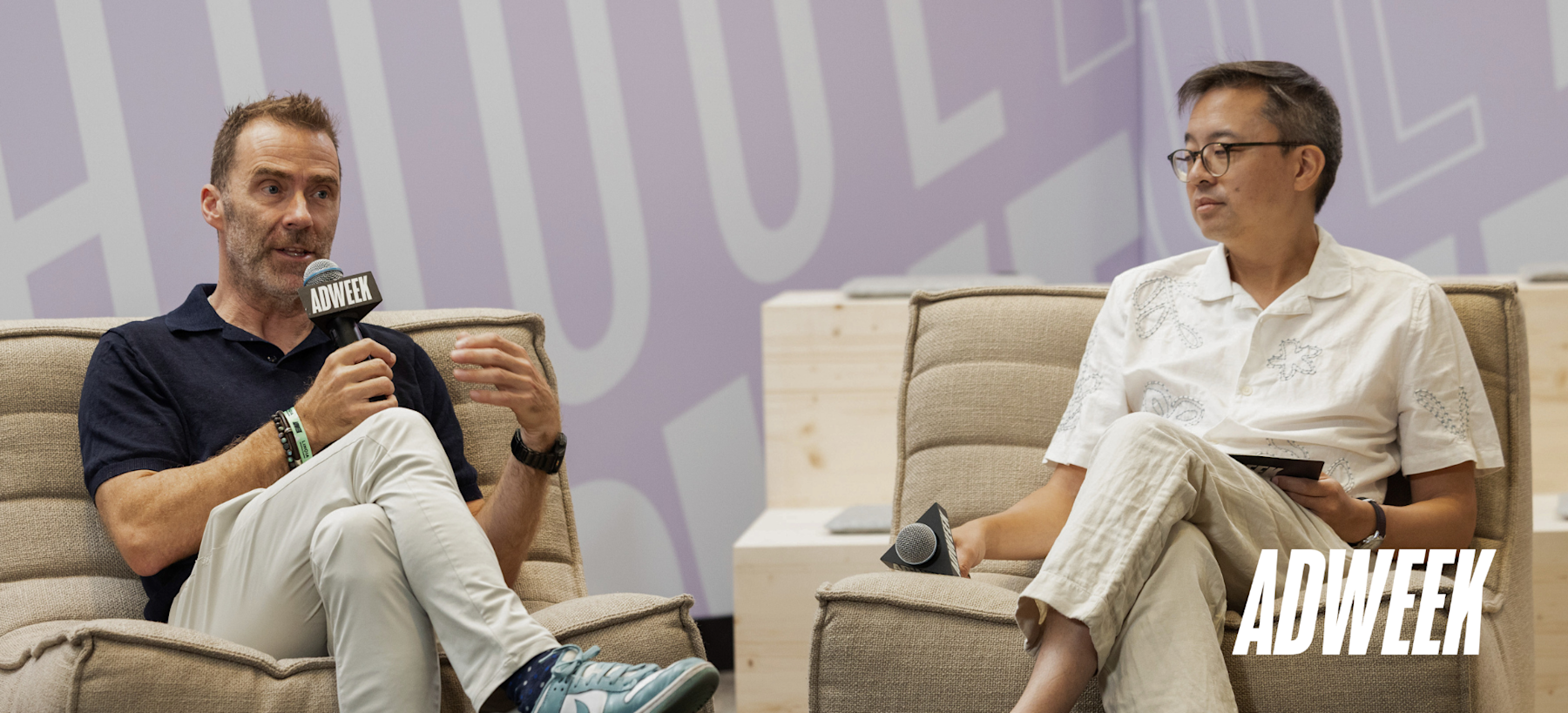
Speaking at Adweek House, Tatari CEO, Philip Inghelbrecht, took the stage to provide some answers. The conversation, "What Agency Audits Reveal About the Infrastructure Programmatic CTV Was Built On," cut through the noise with a simple thesis: this isn't a story about one bad actor. It's a story about infrastructure that was never designed for television.
Watch the full session below
Here are a few highlights.
The Audit Moment: Why The Trade Desk Isn't the Whole Story
Philip was direct: The Trade Desk has been singled out, but the real problem is structural. Programmatic TV has always faced opacity, data loss, and layered fees. The audits didn't reveal something new, they confirmed what sophisticated buyers have known for years.
"Stakeholders often don’t understand what happens behind the machine," Philip explained. DSPs, SSPs, resellers, and exchanges all take a margin before a single impression reaches a viewer. The aggregate cost, what Tatari calls the ad tech tax, can consume a significant share of every media dollar before it reaches actual inventory. Tatari publishes real campaign data at comparing direct buys against the same inventory purchased through the programmatic supply chain. The difference is not marginal.
Tatari, Philip noted, remains largely unaffected by these issues — not because they got lucky, but because they built differently. Nearly 80% of Tatari's media is bought direct from publishers via Upstream, Tatari's direct-to-publisher infrastructure that connects at the ad-server level, bypassing DSPs and SSPs entirely.
Market Consolidation: What Fox Buying Roku Actually Means
Philip offered one of the more clarifying takes on the Fox-Roku deal making headlines at Cannes: this is a distribution play, not a content play. Fox wants to own how viewers access content — the operating system layer — the same way Comcast did 20 years ago with cable infrastructure.
That said, Philip doesn't expect Fox to become a true walled garden. Publishers ultimately need data transparency to measure performance across platforms. Locking everything down limits their own ability to prove value. The consolidation trend matters for reach strategy, but the measurement imperative keeps the ecosystem from fully closing.
The Premium Inventory Problem Programmatic Can't Fix
Here's the number that reframes the entire CTV conversation: of the $90 billion US TV market, only about $15 billion is programmatic, and only half of that might reasonably be called premium.
The reason is deliberate. Publishers decide what inventory enters programmatic pipes, and the most valuable placements — live sports, tentpole programming, major events — are sold direct to preserve reach and pricing control. The Super Bowl is not programmatic. The NBA Finals are not programmatic. If a DSP is your only path to TV, you're buying the programmatic approximation of television, not television itself.
Philip still believes programmatic is valuable for retargeting and deep audience targeting, where precision matters more than scale. But its greatest limitation is the same thing it's known for — targeting narrows reach, and reach is the primary strength of TV advertising.
Meanwhile, roughly 90% of CTV impressions come from just 10 publishers, based on internal data from hundreds of millions of dollars in Tatari media spend. This is not the open web. The supply is concentrated. The relationships are knowable. An intermediary layer between an advertiser and those ten publishers isn't solving a complexity problem, it's actually creating a cost problem.
Why AI in TV Advertising Requires More “I” and Less “A”
With AI dominating every conversation at Cannes, Philip offered a pointed distinction between what's real and what's theater.
Most of what the industry calls "agentic AI" right now, he argued, is closer to workflow automation; manual processes wrapped in an AI label. True AI in media looks different: using large language models to analyze massive historical data sets and plan campaigns faster and more accurately than any human buyer could.
Tatari applies AI in two concrete ways. First, by training models on years of campaign data to generate media plans that balance efficiency and scale. Second, at the execution layer, using AI to retriage bid requests in the final split second through Upstream, improving campaign performance by roughly 20% compared to traditional DSP auctions.
Where the TV Industry Goes From Here
Philip's outlook centers on direct infrastructure, not programmatic reform. The future of CTV isn't fixing the programmatic supply chain, it's building a parallel one.
Walled gardens — Amazon, Netflix, YouTube — account for roughly 25% of viewership. That leaves 75% of the TV landscape available for innovation outside those walls. The companies that win in that space will be the ones with direct publisher connections, real measurement infrastructure, and the ability to buy across the full TV market, not just the portion that enters programmatic pipes.

Amit Sharan
I run marketing at Tatari and have a gadget problem.
Related
How Much of the TV Ad Market Can a DSP Actually Access?
Most brands think they have a TV strategy. What they actually have is a DSP strategy, and those aren't the same thing. Here's what the $90 billion TV market actually looks like, and how much of it you're missing if you are relying on DSPs alone.
Read more
Programmatic CTV Is a Starting Point for Full TV Strategy
Most brands think they're running a TV strategy using CTV alone. But if your TV strategy lives entirely inside a DSP, you're missing most of the market. Here's what a complete TV advertising approach actually looks like.
Read more
Breaking Down The Truth About Agentic AI In Ad Tech in 2026
Every ad tech platform is touting "agentic AI." Most of it is just automation with a fancy name. Tatari’s CEO, Philip Inghelbrecht, breaks down what real AI actually requires and what every advertiser should be asking before they buy into the hype.
Read more