How Tatari's AI Planning Engine is Rewriting what's Possible in TV Advertising
When a media buyer builds a TV plan today, they're choosing from more than 45,000 linear network-rotation entities, plus tens of thousands of streaming placements across hundreds of publishers they may never have known existed. But a buyer can only act on what they can realistically process. That comes down to the finite set of programs they can identify, evaluate, and build into a plan: maybe 50 streaming buys and 30 linear buys. The thousands of other combinations are never considered. Not because they're bad, but because no team, however large, can compute the full set by hand. The problem isn't effort. It's that there aren't enough hours to do this at the volume modern marketing demands.
Enter the AI Planning Engine
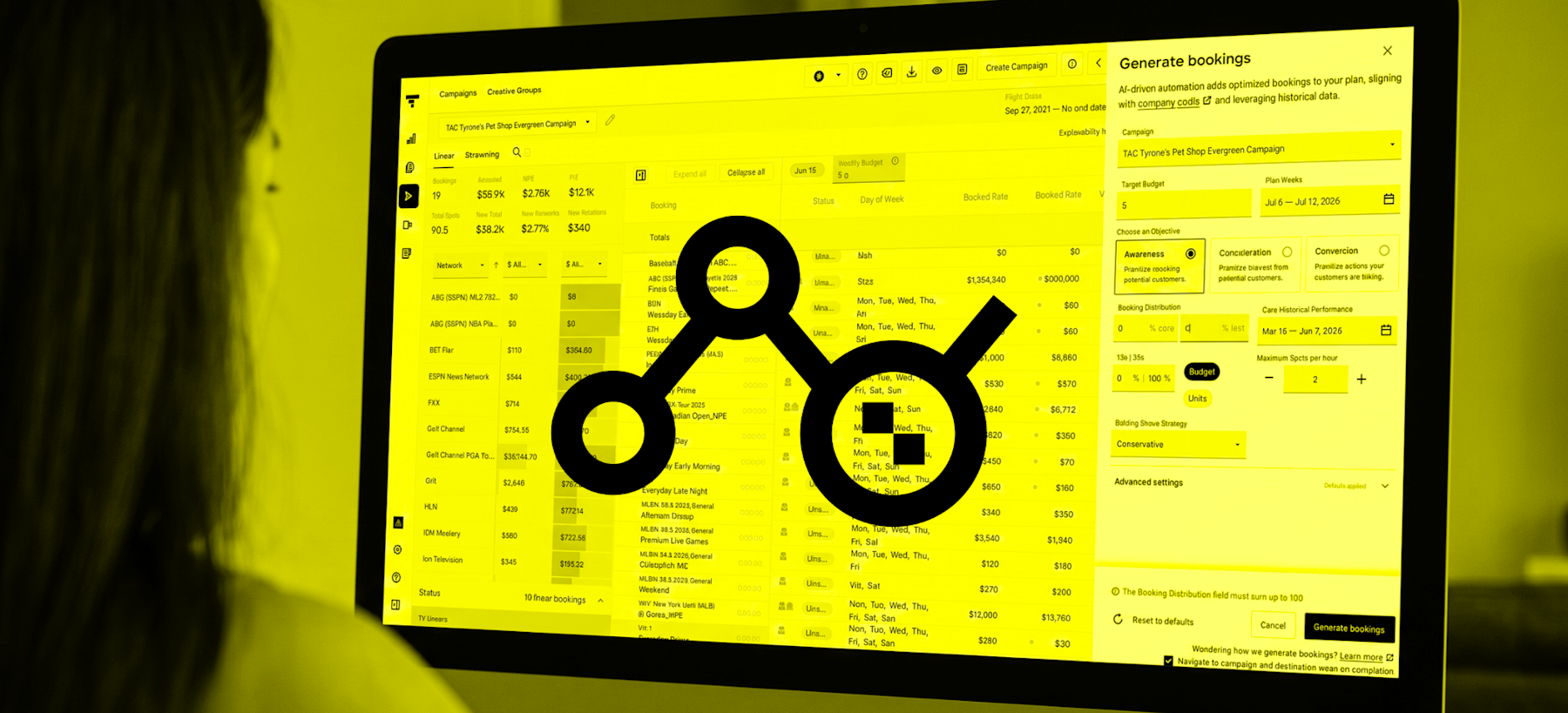
Tatari's AI Planning Engine analyzes three inputs simultaneously: audience data, performance history, and current market conditions. From those inputs, it produces a recommended media mix identifying the best networks, dayparts, and budget allocations. The plan is completely optimized for a brand's specific KPIs before a single dollar is spent, and includes predicted outcomes from the campaign.
Think of it as a media planner who has studied every TV campaign in your category, including 10+ years of real performance data, and can run the full analysis in minutes rather than weeks.
The key distinction from other "AI" tools in the market is the fact that it’s trained on Tatari's proprietary Foundational TV Dataset, consisting of 300 terabytes of response data, 1.4 trillion linear impressions, 54 billion streaming impressions, $9B+ in managed spend across 1,600+ TV networks. Any AI model, no matter how much marketing shine it gets, is only as good as the data it’s trained on. And nobody else has this data. And even if they started today, they’d never be able to catch up.
What This Means for TV Advertisers
The impact isn't theoretical. It shows up in the numbers advertisers care about most, and the clearest signal comes from one of our client's own performance marketing managers:
"Tatari’s Planning Engine cut our weekly planning cycle from an hour to almost instant, and since we started using it, we've seen a 50% improvement in our CPA,” said Mikayla Dorn, Performance Marketing Manager, Winona.
The CPA improvement is one number. The planning cycle compression is another. But the less obvious win is consistency. Before leveraging the Planning Engine, Winona’s performance was more volatile, with CPA fluctuating week to week. After the Planning Engine came into play, the CPA not only dropped, but also stayed down. The AI continuously gets smarter based on what's working and keeps optimizing.
The real shift, though, is what advertisers do with the time they get back. When you're no longer rebuilding the same plan every week, the work moves from execution to strategy. That means:
Building TV programs for the long term. Instead of planning one week at a time, teams can plan around seasonality, new product launches, and the moments that actually move a business, with the runway to get ahead of them rather than react.
Sourcing premium opportunities. The kind of high-value inventory that takes real legwork to land, like live sports and streaming sponsorships, gets the attention it deserves instead of being squeezed out by day-to-day plan maintenance.
Moving faster on last-minute buys. When premium inventory opens up at the last minute, being nimble is the whole game. Freed-up teams can surface and act on those opportunities before the window closes.
Doing deeper data analysis. Rather than agonizing over the day-to-day CPA, teams can dig into the questions that compound over time: what is TV's halo effect on other marketing channels, and is there incremental reach? This is the contextual intelligence work that makes the next plan smarter.
Cutting human error. Every manual lookup and hand-built plan is a chance for something to slip. Automating the execution layer takes a whole category of mistakes off the table.
Getting more from your TV budget: Beyond choosing the right inventory, the Planning Engine optimizes on price during auction execution, clearing spots as efficiently as possible so more of every budget goes to working media and less to overpaying.
That's the shift Liane Nadeau, Chief Investment Officer at Digitas, described at a recent industry summit: "The hands-on labor of bids and optimization daily, and those budget moves maybe became more automated. But all of a sudden, you needed someone to build those machines. You needed someone to monitor and watch those machines." The Planning Engine handles the execution layer so humans can live at the strategy layer, and the brands that embrace that shift earliest will have a structural advantage over those still building plans by hand.
For brands, this also changes the planning conversation. Instead of reviewing a plan an agency built and hoping the logic holds, you can interrogate the AI's reasoning directly, in plain English. Why did it recommend this network mix? Why this daypart? That explainability is a fundamental shift in how marketers can trust and engage with AI-driven decisions.
Where AI Matches the Experts, and Where It Pulls Ahead
The Planning Engine works the same way across every TV channel. Linear and streaming draw on the same dataset and the same models, so a brand gets one coordinated view of TV rather than plans stitched together channel by channel. And this is no longer simply experimentation. The AI Planning Engine manages a growing share of the TV campaigns we run.
But adoption only matters if the plan holds up. So we tested it directly, with a four-week randomized A/B test. Tatari's team let the Planning Engine run completely unmodified for one group and allowed normal human modification for the other. In 17 of 18 valid cases, the unmodified AI plan performed as well or better than the human-adjusted version.
The pattern gets sharper the closer you look. The Planning Engine’s edge is strongest at lower spend. For every client spending under roughly $19.5K a week, 12 of the 18, the unmodified plan matched or beat the expert human every single time. Above that budget line the win rate settles at 94% and holds flat all the way to the largest client in the test.
The result is directionally changing how Tatari operates. The team is increasingly moving toward letting the Planning Engine run without modification, especially below that weekly threshold, trusting the AI to do a good job without a human in the loop for every decision.
What 10 Years of Data Teaches the Model
What makes the Planning Engine effective isn't just the volume of data, but what a decade of history teaches it. It knows seasonality at a level no individual can match: which networks perform for which categories at which points in the calendar, and where volatility spikes. It also knows budget scaling dynamics, so it can tell you whether doubling your budget will double your conversions or hit diminishing returns fast. That's the kind of insight that reshapes your entire budget allocation, down to the network level.
The advantages show up in ROI, too. For smaller TV budgets, letting the AI Planning Engine run on its own lowered cost-per-acquisition (CPA) by 8.5%. For larger budgets, it currently matches hand-built plans.
Which brings the whole thing full circle. The plan a human builds is limited to the inventory a human can hold in view. The Planning Engine has no such limit. It weighs every option on the board, every time, surfacing the placements that quietly outperform but never would have made a buyer's shortlist. What you end up with is a different kind of planning altogether, running at a scale no human could ever reach.
But the Planning Engine is just the start. That same AI-first approach is moving into reporting too, where you can now build a chart simply by describing it in plain language rather than hunting through every metric and filter by hand. It's the first step toward a platform that doesn't just surface your data, but helps you make sense of it, the same shift the Planning Engine is already having in how you plan.
Want to see how the AI Planning Engine can bring speed and intelligence to your next TV plan? Let’s talk!

Jena Vint
I'm the Senior Director of Data Science at Tatari. My team builds the products that make media planning and optimization seamless and performant for brands.
Related
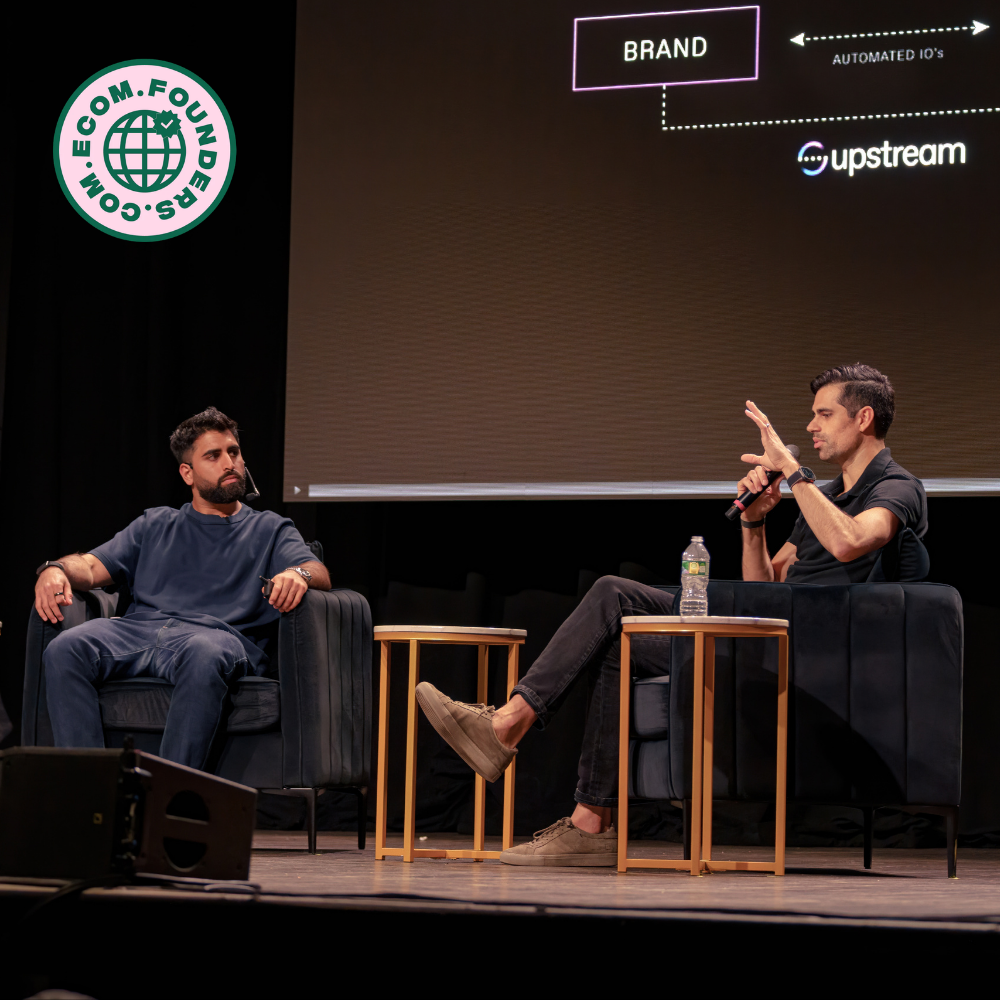
Watch: From Black Box to Built-In Skill: How AI Is Rewriting the Rules of TV Advertising
At the ecomFounders AI Summit, Tatari's Matt Giannetti sat down with Nik Sharma to discuss how AI is rewriting every phase of TV advertising, from planning to execution to creative. Watch the full session and check out some of the highlights.
Read more

Breaking Down The Truth About Agentic AI In Ad Tech in 2026
Every ad tech platform is touting "agentic AI." Most of it is just automation with a fancy name. Tatari’s CEO, Philip Inghelbrecht, breaks down what real AI actually requires and what every advertiser should be asking before they buy into the hype.
Read more
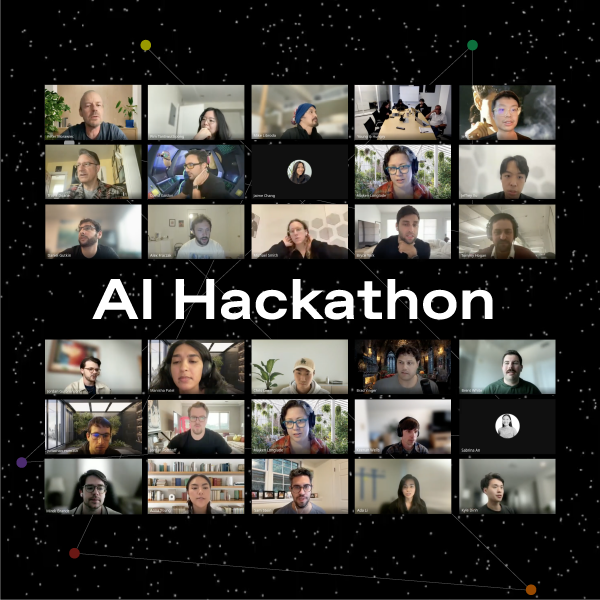
How an AI Hackathon Turned Ideas Into Real Product Features
Most hackathons end with a demo and an idea that sits in a spreadsheet. Ours ended with new product features built to help TV advertisers. Here's how 16 teams and 50 ideas made it from concept to launch.
Read more