
Getting Clear on Clearance: What it is and Why it Matters in TV Advertising
Pricing and clearance are two unique concepts in remnant TV media buying, yet they're deeply intertwined. This article focuses on clearance, and in particular, on why it's so tricky to predict. After all, a low rate doesn't mean much if a TV spot never airs.
Let’s start with the basics.
What Is a Rate?
Rates are the straightforward part. A rate is your bid on remnant inventory.
What Is Clearance?
Clearance is the portion of booked ad inventory that actually airs on the network. (For more, watch our video on the basics of media buying.)
How Does Rate Affect Clearance?
Advertisers offering the highest price for an ad slot (e.g. pay rate card or above) will typically land stronger clearance in remnant TV markets, and vice versa.
There are, however, a variety of other factors beyond rate that affect clearance. For example, clearance can change with the calendar, competition from other advertisers, shifts in viewership, breaking news, or even changes elsewhere in a network’s schedule. A sound remnant strategy needs to account for rate bids and clearance.
What Affects TV Ad Clearance? (At a Glance)
Factor | What happens | Effect on clearance |
Timing (end of broadcast quarter) | Inventory is scarce | Drops |
Timing (start of broadcast quarter) | Inventory is more available | Tends to improve |
Seasonal programming (e.g., Hallmark Channel, Freeform in Nov–Dec) | Bigger audiences and more advertiser demand | Harder to clear |
Major events (e.g., 2026 Winter Olympics) | Remnant inventory gets eaten fast | Drops |
Breaking news | Same effect, on a smaller and less predictable scale | Drops |
Advertiser competition | Networks space out similar products | Harder to clear if similar advertisers already booked |
Viewership surge | Advertiser demand rises | Drops |
Underperforming programs | Make-good airings (ADUs) use up inventory | Drops |
Advertiser cancellations | Gaps in perishable inventory | Improves, even at low-ball pricing |
How Does Timing Affect Clearance?
Timing is possibly the most important factor that influences clearance. In many situations, the impact of timing on clearance is consistent, and with that, easier to predict. For example, at the end of a broadcast quarter, inventory is scarce, and clearance drops as a result. The opposite tends to be true at the beginning of the quarter. These patterns also vary by network. Seasonal programming on Hallmark Channel and Freeform attracts larger audiences, and more advertiser demand during the holidays. November and December can be particularly difficult months for clearing remnant buys on those networks.
How Do Major Events and Breaking News Affect Clearance?
Major events eat remnant inventory fast. During the 2026 Winter Olympics in Milan, for example, very little (if any) remnant inventory was left over on the networks carrying it. Breaking news does the same thing on a smaller, less predictable scale. When hurricanes Helene and Milton drove sharply increased viewership on The Weather Channel in the fall of 2024 remnant bidders came up short.
How Does Competition Between Advertisers Affect Clearance?
Competition between advertisers on the same network will also have a notable influence on clearance. Networks don’t like their programming to be littered with ads for the same products (or type of products).
A simple, and easy to understand example, is Saatva vs. Casper. If Saatva purchased a guaranteed spot during a program, it will be difficult for Casper to clear a remnant buy in the same ad pod or even the same TV show.
This goes beyond direct competitors. Networks try to space spots of advertisers with similar products. It’s a good practice not only for TV viewers (consider: would you enjoy sitting through 5 insurance ads right after each other?), but also for advertisers (e.g. Progressive would not be thrilled if their ad were immediately followed by Geico’s suggestions to check your Progressive rate).
In short, advertisers that didn’t purchase guaranteed airings will find it hard to clear to the extent that the same or similar products and companies have already booked.
How Do Viewership Changes Affect Clearance?
Changes in viewership can hurt clearance in more than one way:
A sudden audience surge can increase advertiser demand.
An underperforming program can force a network to provide make-good airings. These no-charge Audience Deficiency Units, or ADUs, consume inventory that might otherwise have been available to remnant buyers.
Can the Same Factors Improve Clearance?
Yes. The same factors can work in your favor, too. If an advertiser cancels a purchase, it leaves a gap in the network's perishable inventory, and clearance will improve, even at low-ball pricing. On many occasions, the network will offload that inventory in a last-minute fire sale. Not only does clearance go up, pricing goes down.
The Takeaway: Pricing Alone Should Not Influence Media Buying Decisions
Media-buying in remnant markets is not just about pricing. Clearance, and its relationship with pricing and the ability to predict based on other factors, is equally important.
At Tatari, we meticulously track both throughout the year, and put analytics to work for our clients. Our internal analytics and tools that optimize the media-buying process far exceed the client-facing dashboard. This is where Tatari differentiates from traditional vendors who, for some remarkable reason, all seem to claim they have “better pricing."
Want to learn more about securing the best TV inventory that helps you meet your goals? Let’s talk!
FAQs
What is clearance in TV advertising?
Clearance is the portion of booked ad inventory that actually airs on the network.
What is remnant TV inventory?
Remnant inventory is the ad inventory you bid on, as opposed to guaranteed spots that advertisers purchase outright. Your rate is your bid on it.
Does a higher rate guarantee better clearance?
No, but it helps. Advertisers paying rate card or above will typically land stronger clearance in remnant TV markets. Timing, competition, viewership, breaking news, and schedule changes also affect it.
When is clearance worst for remnant TV buys?
Clearance tends to drop at the end of a broadcast quarter, when inventory is scarce, and during major events like the 2026 Winter Olympics. On networks like Hallmark Channel and Freeform, November and December can be especially difficult.
Why would a competitor's ad block my remnant spot from airing?
Networks don't like running ads for the same or similar products back to back. If a competitor (say, Saatva) bought a guaranteed spot, it's hard for a remnant buyer like Casper to clear in the same ad pod or even the same show.
What are ADUs, and how do they affect clearance?
ADUs (Audience Deficiency Units) are no-charge make-good airings a network provides when a program underperforms. They consume inventory that might otherwise have been available to remnant buyers, which hurts clearance.
Can clearance ever get better at a lower price?
Yes. If an advertiser cancels a purchase, the network is left with perishable inventory and may offload it in a last-minute fire sale. Clearance goes up and pricing goes down.
Why is a low rate not always a good deal?
Because a low rate only matters if the spot airs. A cheap spot that never airs isn't a bargain.

Aaron Perlstein
I’m a Team Lead on Tatari’s Strategy and Brand Partnerships team, where I build linear and streaming plans that help brands reach their audience and grow on TV. Outside of work, you’ll find me refreshing Cardinals box scores or reading one more chapter of sci-fi than I planned to.
Related

Non-Preemptible (NPE) TV Buys, Explained: Why More Brands Are Paying for Guaranteed Airtime
Non-preemptible (NPE) TV buys guarantee airtime at a 20–50% premium over remnant. Learn when guaranteed inventory is worth it on linear and CTV.
Read more

How Tatari's AI Planning Engine is Rewriting what's Possible in TV Advertising
Tatari's AI Planning Engine builds optimized TV media plans in minutes, not weeks. See how 10+ years of proprietary data helps brands optimize campaigns, cut costs, and drive more efficient performance.
Read more
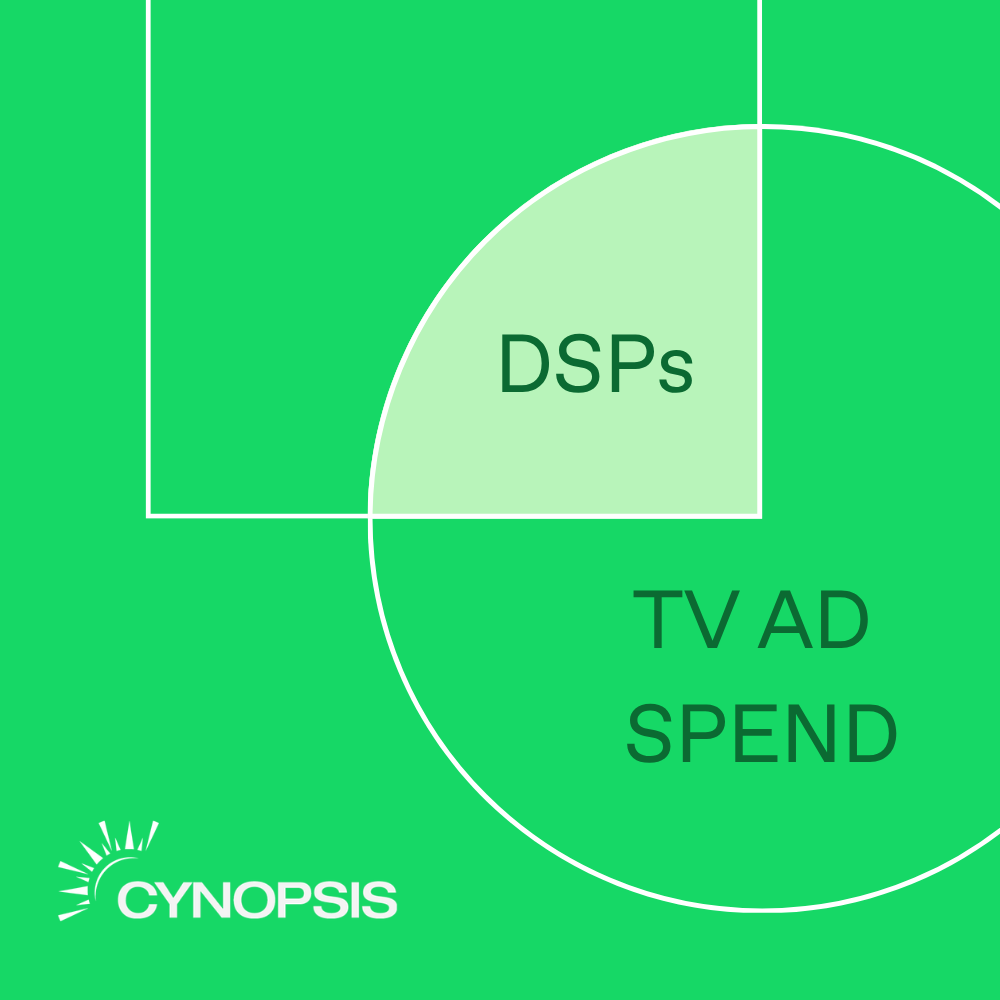
How Much of the TV Ad Market Can a DSP Actually Access?
Most brands think they have a TV strategy. What they actually have is a DSP strategy, and those aren't the same thing. Here's what the $90 billion TV market actually looks like, and how much of it you're missing if you are relying on DSPs alone.
Read more